
In North Carolina, the transition from winter to spring is often heralded by more than just the blooming of azaleas. It marks the beginning of a volatile weather season where warm Gulf air meets lingering Arctic fronts, resulting in heavy thunderstorms, high winds, and the occasional tornado. For homeowners from Charlotte to the Outer Banks, this period of high humidity and sudden downpours is a true endurance test for the home’s infrastructure.
At Comfort First Heating & Cooling, we have spent decades helping North Carolinians fortify their homes against the elements. We know that a spring storm doesn’t just threaten your roof or your siding; it places immense stress on your HVAC, electrical, and plumbing systems. Taking a proactive approach in late February and March can mean the difference between a cozy, dry home and a costly summer of repairs. This guide provides a comprehensive breakdown of what you should do before the first thunder rolls this season.
Step 1: Fortify Your HVAC System
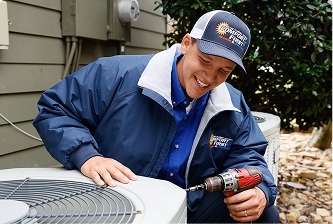
Your outdoor condenser unit is one of the most vulnerable assets on your property during a North Carolina spring. It is exposed to falling limbs, wind-blown debris, and the threat of electrical surges from lightning strikes.
Clear the Perimeter
Over the winter, leaves, twigs, and mulch can pile up around the base of your outdoor unit.
- The 2-Foot Rule: Ensure there is at least a two-foot clearance around your entire outdoor unit. Trim back any shrubs or ornamental grasses that have encroached on the space. This isn’t just about storm debris; it ensures your system has the airflow it needs to remove humidity efficiently as the weather warms up.
- Trim Overhanging Limbs: Look up. The ice storms of winter often leave behind widow-makers, dead or weakened branches that are just one high wind gust away from crushing your HVAC unit. Prune these back now before the storm does it for you.
Surge Protection is Non-Negotiable
Spring storms in the Carolinas are famous for frequent lightning. Even a distant strike can send a massive jolt through the power lines, frying the sensitive circuit boards and compressors in your heating and cooling system.
- The Invisible Threat: You might not notice the damage immediately. Repeated small surges from seasonal storms wear down internal components over time, leading to an unexplained failure in July.
- Whole-Home Defense: At Comfort First, we recommend installing whole-home surge protection at your electrical panel. This acts as a gatekeeper, redirecting excess voltage safely into the ground and protecting not just your HVAC, but your refrigerator and electronics as well.
Step 2: Manage Water and Soil Saturation
North Carolina’s red clay and coastal sands react differently to water, but both can cause major plumbing and foundation issues when spring rainfall hits its peak.
Gutter and Downspout Audit
Your gutters are your home’s first line of defense against foundation saturation. If they are clogged with last year’s pine needles, water will overflow and dump directly at the base of your house.
- Direct the Flow: Ensure your downspouts have extensions that carry water at least six to ten feet away from your foundation.
- The Sump Pump Test: If your home has a crawlspace or basement, your sump pump is your best friend. Perform a bucket test by pouring water into the pit to ensure the float triggers the pump. In North Carolina, we also strongly suggest a battery backup for your sump pump, as our storms frequently knock out power.
Inspect the Building Envelope
High winds can drive rain into places you wouldn’t expect. Check the caulking around your windows and the weatherstripping on your doors. If you see gaps, you are letting in more than just a draft; you are inviting moisture that can lead to mold growth in the humid months ahead.
Step 3: Electrical Readiness and Generators
Power outages are a seasonal reality in North Carolina. When the grid goes down, your home’s comfort goes with it.
The Backup Plan
If you rely on a portable generator, now is the time to perform a test run. Change the oil, check the spark plugs, and ensure you have a fresh supply of stabilized fuel.
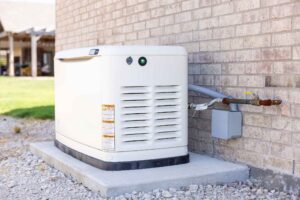
- Whole-Home Generators: For total peace of mind, many of our neighbors are switching to Honeywell whole-home generators. These units monitor the grid and turn on automatically within seconds of a power failure, keeping your lights on and your AC running even when the rest of the neighborhood is in the dark.
- The Wait and See Rule: If you don’t have surge protection and the power goes out during a storm, turn your HVAC system off at the thermostat. This prevents the system from being hammered by unstable voltage when the power is first restored.
Step 4: The Professional Spring Maintenance Visit
There are some things a homeowner can do themselves, but a true storm-ready status requires a professional eye.
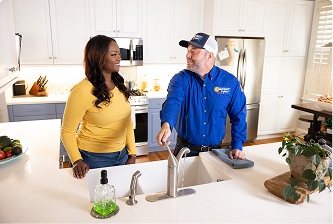
At Comfort First Heating & Cooling, our spring maintenance visits are designed to catch the small vulnerabilities that the winter left behind. We check for loose electrical connections that could arc during a storm, inspect refrigerant lines for vibration wear, and ensure your system’s brain is calibrated for the high-humidity days ahead.
Preparation is the Ultimate Comfort
In North Carolina, we don’t just endure the weather; we live in harmony with it. The spring storm season is a powerful reminder of nature’s volatility, but it doesn’t have to be a threat to your home’s safety or your family’s comfort. By clearing your yard, securing your electrical system, and ensuring your HVAC is in peak condition, you can enjoy the sound of the rain without the fear of a costly breakdown.
At Comfort First Heating & Cooling, we have been the region’s trusted comfort partner for decades. We treat every home like it is our own, providing the honest advice and expert service you need to stay safe through every season. Whether you need a surge protector installation, a generator consultation, or a simple spring tune-up, our team is ready to serve.
Secure Your Home with Comfort First
Is your home ready for the first big storm of the year? Do not wait for the clouds to gather to take action. Our team will walk through your HVAC, electrical, and generator needs to ensure you have total peace of mind.
Contact us today to schedule your service and find out why North Carolina homeowners put their comfort first with our team.