
North Carolina homeowners rely on their HVAC systems throughout the year, from humid summer afternoons to chilly winter nights. When something goes wrong, unusual noises, strange smells, or uneven airflow are often the first clues that your system needs attention. While some issues require professional service, many early warning signs can be identified at home with simple checks that save time, stress, and unnecessary breakdowns.
Understanding how to diagnose the most common HVAC noises and smells can help you catch small problems before they become major repairs. This blog walks you through easy at home troubleshooting steps tailored to the unique climate conditions in North Carolina, including humidity, pollen levels, and seasonal temperature swings. These insights can help you decide when it is safe to keep checking and when it is time to call Comfort First Heating and Cooling for expert service.
Understanding Common HVAC Noises
Unusual sounds coming from your HVAC system are often the first sign that something is not working as it should. North Carolina homes experience frequent temperature shifts and long cooling seasons, which means HVAC components can loosen, wear down, or accumulate debris over time. Recognizing what certain noises mean can help you diagnose early problems before they lead to a full system failure.
Rattling or Vibrating Sounds from Loose Panels or Screws
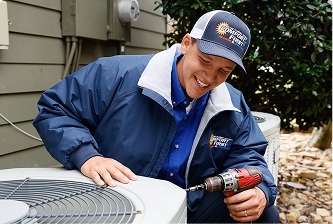
A rattling sound usually points to something loose inside or around the HVAC unit. Outdoor units often rattle when small sticks, debris, or leaves get caught in the fan grille. Indoor units may vibrate if access panels are not fully secured or if screws inside the cabinet have loosened. Tightening panels and removing debris can often resolve the noise quickly.
Screeching or Squealing from Belt or Motor Issues
High pitched noises such as screeching or squealing usually indicate friction within the system. Older units may have a worn belt that needs adjustment or replacement. Newer systems with direct drive motors may squeal when bearings begin to fail. These issues should be addressed promptly because continued friction can cause more severe damage to the blower motor.
Banging or Clunking from Blower or Fan Problems
A loud banging or clunking sound often signals that something has come loose inside the blower assembly or outdoor fan. A misaligned fan blade, broken blower wheel, or loose motor mount can all create repetitive knocking sounds. If you hear these noises, turn the system off until you can inspect it or schedule service to prevent further damage.
Identifying HVAC Smells and What They Mean
Strange smells coming from your HVAC system can be unsettling, but they often provide helpful clues about what is affecting your equipment. North Carolina’s humidity, seasonal pollen, and long cooling cycles can all contribute to odor related issues. Understanding what different smells indicate can help you diagnose problems early and protect your indoor air quality.
Musty Smells from Moisture, Mold, or Clogged Drain Lines
A musty or damp odor is one of the most common HVAC complaints in humid North Carolina homes. This smell often points to a clogged condensate drain line, a dirty evaporator coil, or moisture trapped in the ductwork. Mold and mildew thrive in damp environments, especially during warm seasons. Cleaning or unclogging the drain line and replacing air filters can help reduce moisture and eliminate the odor.
Burning Smells from Dust Buildup or Overheating Parts
A mild burning smell when the heat turns on for the first time is usually normal. Dust settles on the heating elements during the warmer months and burns off quickly. However, persistent burning odors can indicate overheating electrical components, a failing blower motor, or restricted airflow. If the smell continues or becomes stronger, turn off the system and schedule a professional inspection.
Rotten or Sulfur Smells That May Indicate a Gas or Critter Issue
A rotten egg or sulfur type smell can indicate a natural gas leak. If your home uses gas heating, this odor requires immediate action. Leave the home and contact your gas provider or emergency services. Other unpleasant smells may come from critters that accidentally enter ductwork or the outdoor unit. These issues require a thorough cleaning to restore safe, clean airflow.
Diagnosing Airflow Problems
Uneven airflow, weak ventilation, or warm spots in your home can signal several HVAC issues. North Carolina homes often experience airflow problems because of humidity, older duct systems, or heavy pollen buildup during spring and summer. Understanding what affects airflow can help you identify simple fixes before calling for service.
Checking Air Filters and Return Vents
Air filters that are clogged with dust, pet hair, or pollen restrict airflow throughout the entire system. This is especially common in North Carolina during high pollen seasons. If your system struggles to move air or certain rooms feel warmer, check your filter first. Ensure that return vents are not blocked by furniture or rugs, as restricted returns reduce overall circulation.
Inspecting Ductwork for Leaks or Blockages
Ductwork can develop small gaps, disconnected joints, or crushed sections that reduce airflow to certain rooms. Attics and crawl spaces in North Carolina homes often experience temperature extremes that expand and contract duct materials over time. If you notice weak airflow in specific areas, check visible duct sections for loose connections or damage. Blocked ducts from debris or critters can also reduce airflow.
Thermostat Settings That Affect Airflow
Incorrect thermostat settings can create airflow issues. A thermostat set to “On” instead of “Auto” may cause air to circulate continuously, even when the system is not cooling or heating. This can lead to uneven temperatures. Also, ensure your thermostat is level, has fresh batteries, and is not exposed to direct sunlight, which can cause inaccurate readings and inconsistent airflow.
Signs of Refrigerant or Cooling Issues
North Carolina summers place a heavy workload on HVAC systems, which makes refrigerant related problems more noticeable during the hottest months. Low refrigerant, coil issues, or cooling system malfunctions can cause your air conditioner to work harder while delivering less comfort. Learning the early warning signs helps prevent costly repairs and sudden breakdowns.
Ice Buildup on the Evaporator Coil
If you see ice forming on the indoor evaporator coil or the refrigerant lines, your system may have restricted airflow or low refrigerant levels. Ice buildup prevents the coil from absorbing heat, which means your home will not cool properly. Turning the system off and allowing it to thaw is the first step, but professional service is usually needed to diagnose the underlying cause.
Long Cooling Cycles or Warm Air from Vents
When your AC runs for long periods without lowering the temperature, it may be struggling due to a refrigerant issue or a failing component. Warm or slightly cool air blowing from vents is another red flag. In North Carolina’s heat and humidity, even small refrigerant leaks can reduce system efficiency quickly.
Higher Energy Bills with Decreased Cooling Output
A system low on refrigerant or operating with a failing compressor may use more energy to achieve the same cooling level. If your utility bill suddenly increases without a major change in usage, your system may be losing efficiency. Monitoring your bill during the summer can help you spot cooling issues before they become expensive repairs.
When the HVAC System Will Not Turn On
A system that refuses to turn on can be alarming, but many causes are simple enough to check before calling for service. North Carolina homes often experience shutdowns related to humidity, safety switches, or electrical interruptions. Running through a few basic steps can help you determine whether the problem is minor or needs professional attention.
Tripped Breakers or Safety Switches
Power surges from storms or overloaded circuits can trip your breaker. Check your electrical panel to see if the HVAC breaker has moved to the middle or off position. Resetting it may resolve the issue. Some homes also have outdoor safety switches near the condenser unit. If this switch has been accidentally flipped, the system will not run.
Thermostat Battery and Programming Issues
A thermostat with low or dead batteries will not send a signal to the HVAC system. Replacing the batteries is a quick fix many homeowners overlook. Also check the thermostat settings to make sure it is set to “Cool” or “Heat” and that the temperature is set correctly. Programming errors or temporary power outages can reset the thermostat without you noticing.
Clogged Drain Pans Triggering Float Switches
High humidity in North Carolina often leads to full or clogged condensate drain pans. When the pan fills, the float switch activates to prevent water overflow. This shuts down the system completely. If you notice water around your indoor unit or see that the pan is full, clearing the drain line may restore normal operation.
Get Reliable HVAC Help from North Carolina’s Trusted Experts
Diagnosing basic HVAC noises, smells, and airflow issues can help you catch early warning signs and avoid unnecessary breakdowns. While many problems have simple solutions, others require a trained technician to prevent damage, protect your system, and keep your home comfortable through North Carolina’s changing seasons.
Comfort First Heating & Cooling is here to help when troubleshooting is not enough. Our team can inspect your system, identify the cause of the issue, and provide dependable repairs that restore comfort and safety to your home. If you notice persistent odors, unusual noises, cooling problems, or any signs of system failure, contact Comfort First Heating & Cooling for fast, professional service.