
North Carolina is home to some of the most beautiful historic architecture in the country. From the stately Victorian homes in Raleigh’s Oakwood neighborhood to the mid-century bungalows of Durham and the classic farmhouses in the rural Piedmont, our older homes provide a sense of place and craftsmanship that new builds often struggle to replicate. However, the charm of an older property usually comes with a set of hidden challenges, specifically within the HVAC system. As we navigate the 2026 cooling and heating seasons, many North Carolina homeowners are finding that their aging equipment is struggling to keep up with the state’s increasingly humid summers and unpredictable winter cold snaps.
At Comfort First Heating & Cooling, we have spent more than two decades helping neighbors across the state modernize their homes without sacrificing their historical character. The primary issue is that most older homes were never designed for central air conditioning. When AC was retrofitted decades ago, it was often squeezed into cramped attics and crawlspaces using whatever ductwork was already available. Today, these systems are reaching their breaking point. This guide explores the most common HVAC problems found in older North Carolina homes and provides actionable solutions to ensure your property remains a comfortable sanctuary for another generation.
The Struggle of Undersized and Aging Ductwork
In many pre-1970s homes across North Carolina, the original ductwork was designed primarily for heating. Because warm air rises, these systems used smaller-diameter ducts that worked perfectly for wood or oil furnaces. When modern central air was added, these same small ducts were used to distribute cool air. Unfortunately, air conditioning requires significantly higher airflow to be effective.
Symptoms of Ductwork Failure
- Uneven Temperatures: You may notice that the first floor is freezing while the second floor remains ten degrees warmer.
- Whistling and Rushing Noises: High-velocity air trying to squeeze through undersized vents often creates a distracting “whoosh” or whistle.
- System Fatigue: When a system cannot move enough air, it runs longer and harder, leading to higher electricity bills and a shorter lifespan for the compressor.
Beyond sizing, aging ducts often suffer from “weeping” joints and loose connections. Over forty years of vibration can cause tape to deteriorate and sections to separate, allowing up to 30 percent of your conditioned air to escape into your attic or crawlspace before it ever reaches your living room.
Humidity Control and Sizing Mismatches
In the humid climate of Central North Carolina, your air conditioner has two jobs: lowering the temperature and removing moisture. In older homes, there is a common misconception that a “bigger” AC unit will solve cooling problems. This often leads to a phenomenon known as short-cycling.
The Oversized AC Paradox
- Ineffective Dehumidification: An oversized unit cools the air so quickly that the thermostat reaches its goal and shuts the system off before the moisture can be removed.
- The Clammy Feeling: This results in air that is cold but “heavy” and damp, which can lead to mold growth on walls and furniture.
- Variable-Speed Solutions: We often recommend switching to variable-speed or inverter technology. These systems run at lower speeds for longer periods, providing superior dehumidification and more consistent comfort.
Electrical Limitations and Panel Capacity
Many older homes in cities like Charlotte, Winston-Salem, and Fayetteville were originally built with 60-amp or 100-amp electrical service. While this was sufficient for a refrigerator and a few light bulbs, it is often inadequate for the high-draw demands of modern 2026 HVAC equipment.
Power Demands of Modern Comfort
- Heat Pump Upgrades: New high-efficiency heat pumps often require a dedicated 240-volt circuit and significant amperage.
- Panel Overload: If your lights dim when the AC kicks on, or if you are constantly resetting breakers, your electrical panel is likely at its limit.
- Safety Risks: Aging wiring can become brittle over time. When forced to carry the load of a modern high-efficiency system, old wiring can overheat, creating a hidden fire hazard inside your walls.
Airflow Restrictions and Indoor Air Quality
North Carolina is famous for its “pollen apocalypse” every spring. In older homes, decades of this yellow dust, along with pet dander and household debris, can settle in the dark corners of your HVAC system.
The Link Between Airflow and System Health
- Frozen Coils: When airflow is restricted by dirty ducts or clogged internal components, the evaporator coil can actually freeze over, turning into a block of ice even in the middle of a July heatwave.
- Vaporous Pollutants: Older systems often lack the space for high-efficiency HEPA or MERV 13 filters. This allows allergens to recirculate constantly, aggravating asthma and seasonal allergies.
- Professional Cleaning: A comprehensive system cleaning by Comfort First Heating & Cooling can remove pounds of accumulated debris, restoring airflow and improving the health of everyone in your home.
Choosing Energy-Efficient Technology for Your North Carolina Home
While efficiency is a top priority for any homeowner, the technology you choose for an older property must be compatible with its unique structural layout. In 2026, the industry has shifted toward highly adaptable systems that solve the specific problems of historic and mid-century builds. Rather than relying on a one size fits all approach, we focus on integrated solutions that work within the existing footprint of your home.
Modern Solutions for Older Structures
- Variable-Speed Inverter Technology: These systems adjust their output in tiny increments. This is perfect for older homes with inconsistent insulation because the system can run at a low, steady whisper to maintain a constant temperature.
- Dual-Fuel or Hybrid Systems: By pairing an electric heat pump with your existing gas or propane furnace, you get the best of both worlds. The system uses electricity when it is efficient and switches to gas for those biting North Carolina winter nights.
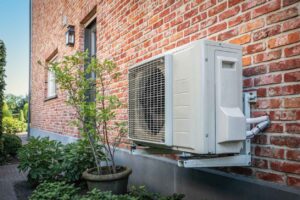
- Low-Profile and Slim-Line Condensers: For homes in historic districts with narrow side yards or strict aesthetic codes, these side-discharge units offer a much smaller footprint and quieter operation than traditional cube-shaped units.
- Smart Air Balancing: We use specialized diagnostic tools to measure the static pressure in your old ducts, allowing us to install dampers and smart controls that direct air exactly where it is needed most.
The team at Comfort First Heating & Cooling specializes in matching these modern technological advancements to the specific architectural needs of your North Carolina residence.
Schedule Your Older Home HVAC Evaluation with Comfort First
The best way to preserve an older home is to ensure its internal systems are safe, efficient, and capable of handling the modern world. By addressing the common HVAC problems of undersized ducts, electrical limitations, and poor humidity control now, you can protect your investment and your family’s comfort for years to come. Do not wait for a major breakdown during a summer heatwave to take action. Proactive maintenance and strategic upgrades are the keys to a happy and healthy home.
Contact Comfort First Heating & Cooling today to schedule a comprehensive whole-home comfort assessment and discover how we can modernize your older North Carolina home.